
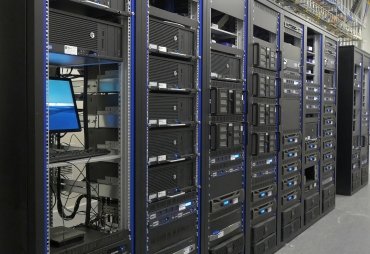
Choosing the Right Server for Powerful, Seamless Performance
Choosing the right server is crucial for businesses seeking to maintain powerful, seamless performance, as the server acts as the backbone for data management, processing, and secure storage. Different server types, such as dedicated servers, cloud servers, virtual private servers (VPS), and hybrid solutions, cater to various needs based on performance requirements, budget, and scalability. Dedicated servers offer exclusive resources, which is ideal for businesses with high data processing demands, while VPS provides a balance of affordability and performance by dividing server resources among several virtual environments. Cloud servers, on the other hand, offer flexible, on-demand resources that allow businesses to scale up or down based on their current needs, making them a popular choice for companies expecting growth or fluctuating usage patterns.
Key factors in selecting the right server include assessing the business’s current and future needs, budget, data security, and management capacity. For instance, businesses handling sensitive data may prioritize a dedicated server or a private cloud to ensure data control and compliance with security regulations. Storage capacity, processing power, and bandwidth requirements are essential considerations, as insufficient resources can lead to performance issues, affecting the user experience and productivity. Additionally, businesses need to determine their technical support requirements, whether they prefer managing the server internally or opting for a managed service provider who can handle maintenance, monitoring, and troubleshooting.
Proper server management is equally essential for maintaining performance and preventing downtime. Regular maintenance practices, including software updates, backups, and security patches, help ensure that servers remain secure and operate at peak efficiency. Managed server solutions can alleviate the burden of routine upkeep, allowing in-house teams to focus on core business tasks. For businesses with limited IT resources, choosing a managed server provider offers the advantage of professional oversight, reducing the risk of unexpected downtime or security vulnerabilities.
Conclusion
In conclusion, choosing the right server is about aligning technical specifications with business objectives, balancing performance with budget, and ensuring that the server can adapt to future growth. By carefully evaluating needs and considering factors like security, scalability, and management preferences, businesses can invest in a server solution that supports their operational goals and provides a seamless, reliable experience for users.